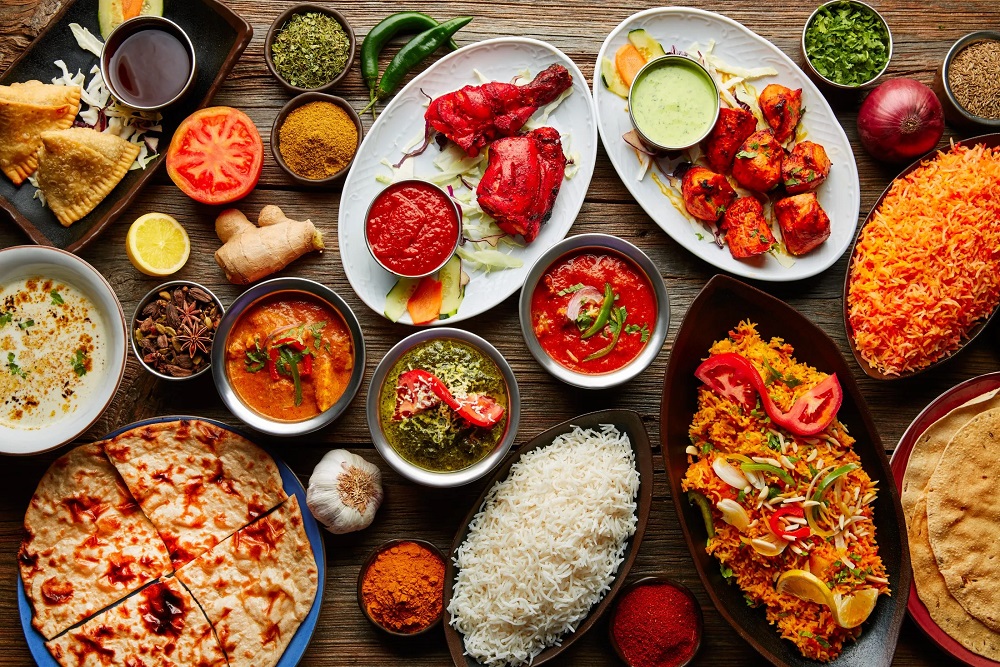
When observers look at a nation from the outside, they often view it through a homogenized lens. National borders, shared governance, and standardized languages create an illusion of uniformity. However, traveling across any country reveals that a single flag frequently covers an intricate mosaic of distinct micro-cultures, histories, and ecosystems.
While architecture, dialect, and traditional clothing offer windows into this internal variance, nothing exposes the true depth of a nation’s diversity quite like its regional cuisine.
Food is never just a source of basic caloric sustenance. It is a tangible record of human migration, geographic realities, climatic shifts, religious beliefs, and socio-economic struggles. The ingredients that appear on a plate, the spices that dominate a palate, and the cooking techniques passed down through generations serve as cultural artifacts. By analyzing how dishes evolve from one province, state, or valley to the next, we can decode the complex identities that define a society’s true heritage.
Geography and Climate as the Architects of Flavor
The most immediate driver of regional culinary divergence is the physical landscape. Before the advent of modern industrial refrigeration and rapid global shipping networks, human communities relied entirely on what their local soil, waterways, and climate could naturally produce. This historic dependency carved out permanent culinary boundaries that persist today.
Consider a nation with a vast, varied topography. In coastal provinces, the culinary identity is naturally anchored to the sea. Dishes rely heavily on fresh fish, bivalves, and marine flora, often prepared with light, acidic, or herbaceous elements that complement the delicate nature of seafood.
Travel a few hundred miles inland toward mountainous terrain, and the culinary landscape shifts dramatically. Coastal lightness gives way to dense, hearty fare designed to sustain human bodies through bitter cold and rigorous physical labor. Mountain cuisines emphasize preserved meats, root vegetables, aged cheeses, and heavy starches like potatoes or grains that can survive long winters.
Climate also dictates the foundational fats and starches that define a regional palate. A region blessed with consistent Mediterranean sunshine and rocky soil will naturally lean on olive oil as its primary cooking fat, while a northern, forested region within the same national border will rely on dairy cattle, rendering butter or lard the baseline of every meal. These geographic realities create distinct culinary baselines that divide a single country into highly specific flavor zones.
Human Migration and the Gastronomic Timeline
Cuisine acts as a living ledger of human movement. When people migrate, whether driven by trade, colonization, forced displacement, or economic opportunity, they carry their culinary preferences with them. When these arriving populations interact with indigenous ingredients and existing communities, entirely new culinary sub-cultures emerge.
Regional variations frequently map out historical trade routes and foreign interactions. A specific border region might feature dishes that utilize techniques or spice profiles imported from a neighboring country, completely distinct from the culinary styles found in the nation’s capital.
Similarly, coastal port cities that historically welcomed international merchant vessels often display a much more cosmopolitan, spice-heavy, or fused culinary identity than their isolated inland counterparts.
These culinary shifts do not happen overnight; they occur over centuries of cross-cultural assimilation. A single ingredient introduced by foreign traders can spark a agricultural revolution in a specific province, eventually becoming so deeply embedded in the local identity that future generations view it as an indigenous staple. Tracking these ingredient variations allows historians to trace the exact footprints of cultural intersection within a nation’s borders.
Religion, Philosophy, and Rituals on the Plate
A nation’s internal diversity is also profoundly shaped by its spiritual and philosophical history. Different regions within a country may have historically embraced distinct religious traditions or varying degrees of orthodox practice, and these belief systems dictate strict dietary laws, fasting rituals, and festive obligations.
In regions dominated by philosophies that emphasize animism or strict non-violence, culinary traditions evolved to maximize the potential of vegetarian ingredients. These regions developed highly sophisticated methods for fermenting legumes, texturizing plant proteins, and blending wild herbs to create deep, complex flavors without relying on animal products.
Conversely, adjacent regions within the same country that follow different spiritual paths might celebrate major religious holidays with elaborate, meat-centric communal feasts where specific animals are ritually prepared and consumed.
Furthermore, the concept of food as medicine often varies by region. Traditional belief systems regarding thermal balances in food, the energetic properties of ingredients, and seasonal detoxification rituals dictate how meals are structured. These invisible philosophical frameworks influence everything from the sequence in which dishes are served to the specific spices added to a pot to aid digestion or balance internal energy.
Socio-Economic Divides and the Evolution of Staples
The historical distribution of wealth and power within a nation creates a stark culinary division between regions. For centuries, the raw access to luxury ingredients was strictly confined to political capitals, royal courts, and affluent trading hubs, leaving rural or marginalized regions to innovate with survivalist techniques.
High Cuisine Versus Peasant Gastronomy
-
Imperial and Courtly Cuisines: Developed in centers of political power, these regional styles are characterized by labor-intensive preparations, intricate presentations, and the lavish use of expensive, refined ingredients like sugar, rare spices, and choice cuts of meat. The focus is on prestige, complexity, and artistic display.
-
Agrarian and Survivalist Cuisines: Born out of economic hardship in rural provinces, these traditions master the art of nose-to-tail eating and zero-waste preservation. Techniques like pickling, salting, smoking, and long, slow braising evolved to transform tough cuts of meat, wild foraged greens, and surplus seasonal crops into deeply flavorful, shelf-stable nourishment.
Over time, many of these rural survivalist dishes transitioned from humble kitchen secrets to celebrated regional icons. What was once considered a meal born of absolute poverty is often elevated today to a symbol of regional pride and authenticity, illustrating how economic resilience shapes a culture’s defining symbols.
True Unity Lies in Embracing the Fragmented Palate
To truly understand a country, one must abandon the search for a singular national dish. A nation’s authentic identity is not found in a standardized, mass-marketed culinary export, but in the fierce debates between its citizens over the correct way to prepare a local specialty.
Whether it is a dispute over the choice of starch, the acidity of a broth, or the specific wood used to smoke a piece of meat, these culinary arguments reflect the healthy, vibrant diversity of a multi-faceted population.
By exploring regional cuisine variations, we look past political boundaries and discover the real, unvarnished human history of a territory. It reminds us that a country’s strength and beauty lie not in absolute uniformity, but in its ability to harmonize a vast collection of unique, regional stories.
Frequently Asked Questions
Why do neighboring regions within the same country often argue intensely over how to prepare the same dish?
These fierce culinary debates stem from a deep sense of regional identity and pride. A dish is often viewed as a symbol of a community’s specific history, agricultural heritage, and familial lineage. Agreeing to a standardized or altered version of a dish from an adjacent region can feel like erasing their unique local history and conceding their cultural distinctiveness to a broader national identity.
How does the urban-rural divide influence regional cuisine variations?
Urban centers tend to act as melting pots where diverse regional styles collide, adapt, and blend with international trends due to higher commercial density and immigrant populations. Rural cuisines, by contrast, remain more conservative and deeply tied to seasonal agriculture, localized foraging, and ancestral cooking methods, preserving distinct historical variations that might fade in fast-paced city environments.
What is food tokenism and how does it obscure true cultural diversity?
Food tokenism occurs when a dominant culture or tourism industry selects one or two easily accessible, simplified dishes from a minority or regional group and markets them as the definitive representation of that entire culture. This practice flattens the complex, nuanced reality of the region’s gastronomy, ignoring dozens of diverse everyday dishes and reducing a rich heritage to a palatable caricature for mainstream consumption.
How can a single ingredient completely change its identity across different provinces of a nation?
An ingredient’s role shifts based on local availability, cultural values, and historical exposure. For instance, in a province where a certain vegetable or spice grows abundantly, it may be used casually as an everyday bulk filler or standard base. In a neighboring province where that same ingredient cannot grow due to climate, it becomes a prized, expensive delicacy reserved exclusively for elite celebrations or specific medicinal applications.
In what ways does industrialization threaten the survival of unique regional cuisines?
Industrialization introduces mass production, centralized food distribution, and fast-food chains, which tend to homogenize tastes and prioritize convenience over traditional methods. When processed, uniform ingredients become cheaper and more accessible than local, artisanal varieties, labor-intensive cooking techniques risk being abandoned by younger generations, leading to a loss of culinary diversity.
How do historical trade routes continue to influence modern regional palates centuries later?
Regions that sat along major historical trade routes, such as maritime ports or mountain passes, integrated foreign spices, preservation techniques, and crops into their local cooking long ago. Even though the original trade routes may no longer be economically relevant today, the ingredients introduced through them remain foundational staples of the local agriculture and flavor profiles, preserving a permanent map of ancient globalization on the modern plate.