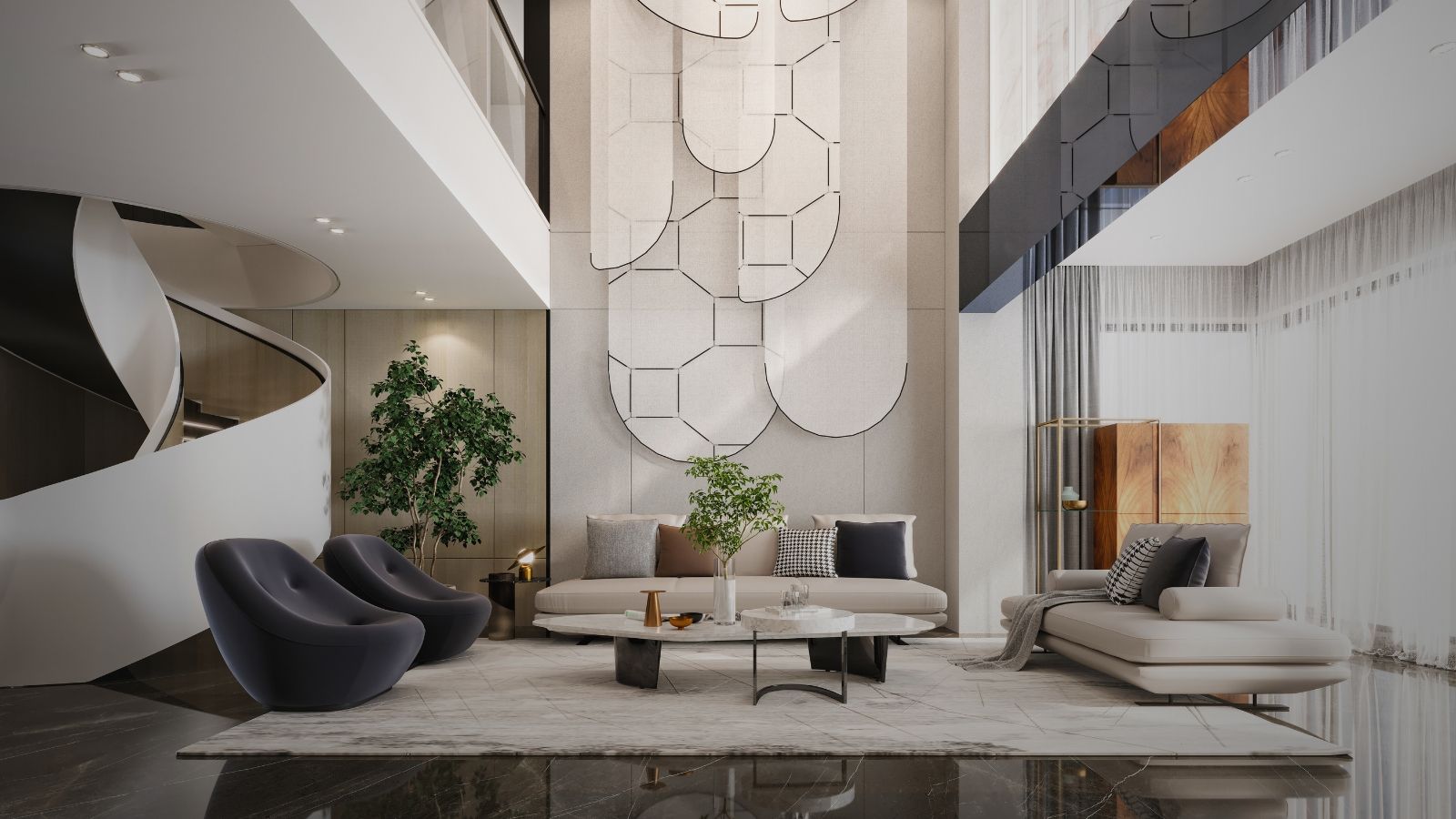
Interior design is a blend of art, functionality, and innovation, and the professionals behind it—often referred to as interior talent—play a crucial role in shaping spaces that inspire and function effectively. Interior talent goes beyond basic decorating skills; it encompasses creativity, spatial planning, knowledge of materials, and an understanding of how design impacts the human experience. Whether working on residential, commercial, or hospitality projects, interior talent transforms ordinary spaces into environments that reflect style, comfort, and purpose.
What Defines Interior Talent
Interior talent is more than technical ability; it is a combination of aesthetic sensibility, problem-solving skills, and attention to detail. Designers with strong interior talent have the ability to visualize spaces, understand client needs, and translate ideas into tangible designs. They possess a deep knowledge of color theory, furniture selection, lighting, textures, and architectural principles.
A key aspect of interior talent is adaptability. Every project presents unique challenges, from irregular floor plans to client-specific functional requirements. Skilled interior professionals leverage their creativity to overcome these obstacles while maintaining a cohesive design vision. Their expertise extends to selecting appropriate materials, coordinating contractors, and ensuring that design choices meet both practical and stylistic goals.
Interior talent also involves anticipating the end user’s experience. Designers consider traffic flow, ergonomics, and sensory impacts, creating spaces that are not only visually appealing but also functional and comfortable. This holistic approach distinguishes exceptional interior talent from basic design skills.
The Role of Interior Talent in Transforming Spaces
The impact of interior talent is visible in every successful design project. For residential spaces, interior talent ensures that homes are both beautiful and livable, reflecting the personalities and lifestyles of the inhabitants. Through careful planning and thoughtful design, interior professionals optimize storage, lighting, and layouts, enhancing comfort and convenience without compromising style.
In commercial environments, interior talent directly influences productivity and brand perception. Offices designed with the expertise of interior talent create motivating workspaces, improve collaboration, and promote employee well-being. Similarly, retail spaces benefit from design strategies that attract customers, guide traffic flow, and enhance the overall shopping experience.
Hospitality and entertainment venues also rely heavily on interior talent. Hotels, restaurants, and event spaces must balance aesthetics, functionality, and guest experience. Interior designers with exceptional talent integrate lighting, furnishings, and materials to craft immersive environments that leave lasting impressions. Each element, from color palette to furniture arrangement, contributes to the overall ambiance and operational efficiency.
Nurturing and Identifying Interior Talent
Recognizing and nurturing interior talent requires a keen understanding of design principles and creative potential. Talent can emerge in various ways—through formal education, hands-on experience, or natural intuition. Many interior professionals pursue degrees or certifications in interior design, architecture, or related fields, building foundational skills that support advanced creative work.
Mentorship and practical experience play a critical role in developing interior talent. Working under experienced designers allows emerging professionals to learn project management, client interaction, and technical skills. Real-world experience enhances problem-solving abilities and helps refine aesthetic judgment.
Identifying interior talent also involves evaluating creativity, attention to detail, and adaptability. Portfolio reviews, project case studies, and client testimonials provide insight into a designer’s ability to transform ideas into functional and visually appealing spaces. Strong communication skills are another hallmark of interior talent, enabling designers to convey concepts effectively and collaborate with clients, contractors, and stakeholders.
The Future of Interior Talent
As design trends evolve, interior talent continues to adapt to new technologies, materials, and sustainability practices. The integration of smart home technology, eco-friendly materials, and modular design solutions requires designers to expand their skill sets. Interior talent today must blend traditional design principles with innovative approaches, creating spaces that are both cutting-edge and timeless.
Digital tools, including 3D modeling, virtual reality, and computer-aided design, enhance the capabilities of interior talent. These technologies allow designers to visualize concepts, experiment with layouts, and present immersive experiences to clients. By leveraging these tools, interior professionals can streamline the design process, reduce errors, and communicate ideas more effectively.
Sustainability is another emerging focus in interior design. Interior talent now involves selecting environmentally responsible materials, optimizing energy efficiency, and creating designs that support long-term well-being. Designers who embrace these practices not only enhance their creative reputation but also contribute positively to communities and the environment.
Ultimately, interior talent is the driving force behind innovative, functional, and aesthetically pleasing spaces. From residential homes to large-scale commercial projects, skilled interior professionals bring vision and expertise to every corner of a space. Their ability to balance creativity, functionality, and client needs ensures that interior design continues to elevate the human experience.
Whether you are looking to transform a personal living space or enhance a commercial environment, harnessing the expertise of interior talent guarantees thoughtful design, efficient use of space, and lasting aesthetic appeal.