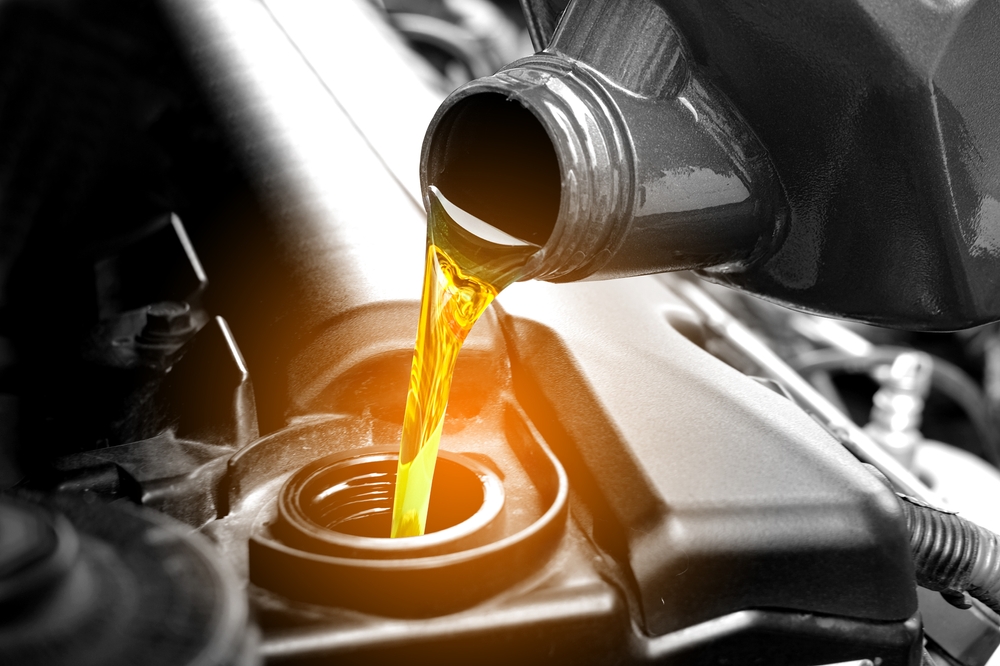
Routine oil changes are one of the simplest yet most effective ways to protect your vehicle’s engine. Many drivers overlook this basic maintenance step until performance issues appear—but by then, damage may already be underway. Fresh engine oil keeps moving parts working smoothly, improves fuel efficiency, and extends the lifespan of your vehicle.
Understanding why oil changes matter helps you make smarter maintenance decisions and avoid expensive repairs in the future.
How Engine Oil Supports Your Vehicle’s Performance
Engine oil performs several critical functions inside your vehicle. Without it, engine components would quickly wear out due to heat and friction.
Key roles of engine oil include:
- Reducing friction between moving metal parts
- Cooling engine components by carrying heat away
- Preventing corrosion inside the engine
- Cleaning sludge and deposits
- Improving fuel efficiency
When oil becomes dirty or breaks down over time, it loses its ability to perform these tasks effectively.
Prevents Premature Engine Wear
Every time your engine runs, internal components move at high speed. Clean oil forms a protective barrier that prevents metal parts from grinding against each other.
Old or contaminated oil:
- thickens over time
- collects debris
- loses lubrication strength
Regular oil changes ensure smoother engine operation and reduce long-term mechanical stress.
Improves Fuel Efficiency
Fresh engine oil reduces internal resistance, allowing the engine to operate more efficiently. When friction increases due to degraded oil, the engine must work harder—leading to higher fuel consumption.
Benefits of timely oil replacement include:
- better mileage
- smoother acceleration
- improved engine responsiveness
Even small efficiency improvements can make a noticeable difference over months of driving.
Helps Maintain Engine Temperature Control
Engines generate significant heat during operation. Oil absorbs and redistributes this heat, preventing overheating.
When oil becomes too old:
- heat dispersal slows down
- engine temperature rises faster
- risk of internal damage increases
Regular oil replacement supports consistent temperature regulation and safer performance.
Extends Overall Engine Lifespan
Engines that receive consistent oil maintenance typically last much longer than those that don’t.
Routine oil changes help:
- prevent sludge buildup
- protect pistons and valves
- reduce carbon deposits
- maintain internal cleanliness
Over time, this maintenance habit can add years to your vehicle’s usable life.
Keeps Engine Components Clean
Dust, combustion residue, and microscopic metal particles accumulate inside engines during normal operation. Engine oil traps these contaminants and carries them toward the oil filter.
However, once oil becomes saturated with debris:
- filtration efficiency drops
- sludge formation increases
- internal parts become exposed to damage
Replacing oil regularly keeps the engine environment cleaner and safer.
Protects Against Costly Repairs
Ignoring oil changes often leads to serious mechanical issues that require expensive repairs.
Common risks of delayed oil replacement include:
- worn piston rings
- damaged crankshaft bearings
- overheating failures
- reduced compression performance
Routine oil service is far more affordable than engine rebuilding or replacement.
Supports Better Vehicle Resale Value
Maintenance history plays a major role in determining resale price. Buyers prefer vehicles with documented service records.
Regular oil changes:
- demonstrate responsible ownership
- improve buyer confidence
- reduce inspection concerns
- increase market value
Simple maintenance habits can significantly influence resale outcomes.
How Often Should You Change Engine Oil?
Oil change intervals depend on several factors:
- driving conditions
- engine type
- oil quality (synthetic vs conventional)
- manufacturer recommendations
In general:
- conventional oil: every 5,000–7,000 km
- synthetic oil: every 8,000–15,000 km
Always check your vehicle’s owner manual for precise guidance.
Warning Signs Your Vehicle Needs an Oil Change
Watch for these indicators:
- dashboard oil warning light
- unusual engine noise
- darker or dirty oil on dipstick
- reduced fuel efficiency
- engine overheating symptoms
Responding early prevents serious mechanical complications.
Frequently Asked Questions (FAQs)
1. What happens if engine oil is not changed for a long time?
Old oil thickens and loses lubrication ability, increasing friction and accelerating engine wear.
2. Can changing engine oil improve driving smoothness?
Yes, fresh oil helps reduce resistance inside the engine, resulting in smoother operation.
3. Is synthetic oil better than conventional oil?
Synthetic oil generally lasts longer, performs better under extreme temperatures, and offers improved protection.
4. Does engine oil expire even if the car is rarely used?
Yes. Oil can degrade over time due to oxidation and moisture exposure even without frequent driving.
5. Should the oil filter be replaced during every oil change?
Replacing the oil filter ensures contaminants do not circulate back into clean oil.
6. Can delayed oil changes affect engine noise levels?
Yes. Insufficient lubrication often leads to louder engine sounds and increased vibration.
7. Does frequent short-distance driving affect oil condition?
Yes. Short trips prevent oil from reaching optimal operating temperature, which can accelerate contamination buildup.